Wisdom Teeth Removal

Wisdom tooth removal Isle of Man

About Wisdom Teeth Removal Services

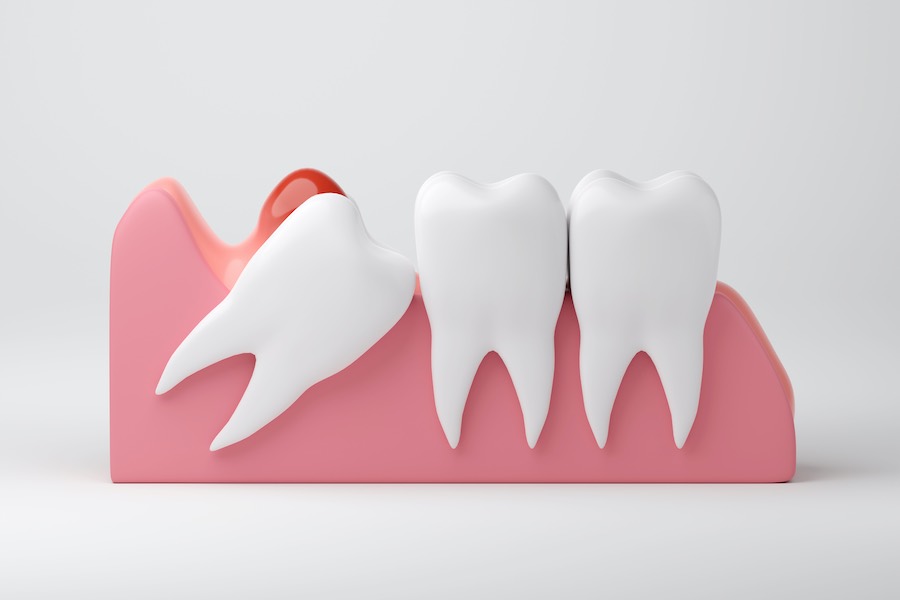
A Wisdom tooth removal is a common minor oral surgery procedure which can be done under local anaesthetic. The wisdom teeth are the four permanent adult teeth located at the back in the corner of your mouth, usually having two on the upper jaw and two on the lower jaw.

It involves cutting the gum and removing the tooth as a whole or in two pieces. This may need to be done if the wisdom tooth is impacted. Meaning that the tooth doesn’t have enough room to push through the gum which can cause issues such as pain, infection and tooth decay.

An OPG is usually taken before a wisdom tooth is extracted on the lower jaw to see the position of the ID nerve (inferior dental). If the tooth is close to the nerve, if needed the dentist would then discuss options for referrals.

Patients commonly encounter sensitivity in their teeth after a filling once the numbing effect of the anesthesia diminishes. This occurs due to the stimulation of the tooth nerves during the removal of decayed tissue. If the cavity was deep or near the tooth’s nerve, some discomfort may be felt following the procedure.

We typically advise undergoing whitening treatment annually to maintain aesthetically pleasing smiles for most patients. Overdoing teeth whitening may lead to potential oral health issues, such as enamel erosion.

In order to avoid tooth decay, it is recommended to brush your teeth a minimum of two times daily using toothpaste that contains fluoride. It is preferable to brush after every meal, and particularly before bedtime. Additionally, it is important to clean between your teeth on a daily basis using dental floss or interdental cleaners like the Oral-B Interdental Brush, Reach Stim-U-Dent, or Sulcabrush.

Routine dental examinations play a crucial role in upholding general health and wellness. They facilitate the timely identification and prevention of health concerns, promote systemic well-being, and help you cut costs by steering clear of intricate treatments down the line.

Fluoride, a naturally occurring mineral, is crucial for promoting strong teeth and cavity prevention. This essential oral health treatment has been utilized for many years. Fluoride aids in maintaining healthy tooth enamel and combating harmful bacteria that can affect teeth and gums. The tooth enamel serves as the protective outer layer of each tooth.

It is common for individuals to experience discomfort during and after a root canal procedure, but experiencing excessive pain is not the norm. The duration of any lingering pain post-root canal can differ, but it typically subsides within a few days. 

The most intense pain associated with a root canal procedure is usually the pain felt prior to undergoing the treatment. It is crucial not to overlook severe discomfort caused by dental infections.

The dental-grade porcelain prosthetic tooth, which is typically affixed to the titanium root, is generally non-toxic. Dental implant surgery is considered very safe, and in the majority of instances, it is preferable for patients to receive dental implants rather than allowing their oral health to decline without them.